THIS BLOG HAS MOVED


This blog has moved to a new location.


You can now read it on BKWine Magazine.


Please change your bookmarks and RSS feeds accordingly.


And do subscribe to our free wine newsletter, the BKWine Brief!


All info on our wine and food tours are now on BKWineTours.com.


BKWine TV: an introduction to Austrian wine

>> Saturday, July 25, 2009

We’ve done a short introduction video on Austria and Austrian wines to show you a bit of the landscape on tell you about the wines and about the grape varieties (gruner veltliner, pinot noire,…). The video takes you around some of the Austrian wine regions, to Wachau, Rust, Neusiedlersee etc. Watch it on BKWine TV.

Read more...

BKWine TV: Domaine Huet, a top grower in Vouvray

A bit upstream from Angers/Savennières you find Vouvray, using the same fabulous grape variety (chenin blanc) but on different soil. Here too you can find some outstanding white wines, both crisp and dry and very sweet – it all depends on the weather, says Noel Pinguet, co-owner and winemaker at Domaine Huet. The Domaine Huet winery is one of the best producers, is biodynamic since long and is run with panache by noel Pinguet, that we have interviewed in this video (in French) on BKWine TV.

Read more...

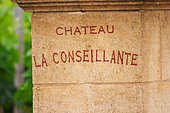
Chateau la Conseillante in Pomerol

>> Friday, July 24, 2009

Chateau la Conseillante is a family owned (Nicolas) property in Pomerol. Jean-Michel Laporte is responsible for the running and for the winemaking since a handful of years. The 12 ha vineyard is planted with mainly merlot (80-85% in the wine) and some cabernet franc. In 2007 they launched a “second wine” called Duo de Conseillante, which now accounts for 10-20% of production.

- 2008 Duo (barrel sample): powerful, cocoa and chocolate, elegant, “aérienne”, good structure
- 2008 La Conseillante (barrel sample): powerful, lots of warm fruit, round, cassis (black currants), warm barrel aging style without being exaggerated, long, hot
- 2007 Duo (first year of production): compact, warm, lots of cassis, more substance than the ’08, good structure, balanced oak, classic and elegant.
- 2007 La Conseillante: small nose, elegant, discrete toasted oak, quite a lot of tannin, restrained but very elegant
- 2006 la Conseillante: softer and rounder, lots of cassis and fruit, high acidity, elegant tannins. “great potential, longer life than 2005, unfortunately overshadowed by 05” (Laporte)
- 2005 La Conseillante: open, developed nose with cedar wood, warm fruit and truffles. Powerful, lots of tanning, elegant, warm, young (of course). Long finish.
- 2001 La Conseillante: lighter, more delicate, very elegant. More young fruity berries in style. High acidity, more “red fruit” style. A bit angular. Needs time? “Very good” (Laporte)
- 2000 La Conseillante: warm, powerful but rounded, leather, maturity. Classic, cedar wood. Drinking very nicely now. “Excellent and delicious but perhaps less long-lived than 01”
- 1999 La Conseillante: lighter, more elegant, tobacco, cedar, classic, warm, herbs. Quite light but with lots of elegance, red fruit, good maturity. Very drinkable…

Read more...

BKWine TV: Domaine Baumard, a top grower in Loire

>> Thursday, July 23, 2009

Savennières is a small and little known region not far from Anger in the Loire valley. The main grape variety is chenin blanc (one of the world’s most underrated grape variety) and it is used to make both dry and sweet white wines. It is a small appellation with not many growers. One of the top wineries in the area is Domaine des Baumard. They also make Quart de Chaume and Anjou wines. Watch our interview with the winemaker Florent Baumard at the winery in Savennières on BKWine TV.

Read more...

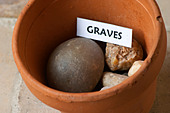
Graves – an appellation also for white wines!

Graves is located a short drive south of the city of Bordeaux. The majority of the production is red but they also make excellent white wines. The total area planted with vines is just under 4000 ha, only a quarter of which produces white wines. Twenty years back it was closer to half-and-half. The fall in popularity for the whites is really a shame, since they can be excellent. The grapes are the usual white varieties in Bordeaux: sémillon (which dominates here), sauvignon blanc, and muscadelle. There are two types of whites, Graves, and Graves Supérieures, this latter designating the rather rare sweet variant (contrary to how that word is used for AC Bordeaux). Here are a few recommendations for particularly successful whites in 2007:

  • Chateau Brondelle ”grand vin”: full-bodied, some oak, quite chewy
  • Chateau Mageau (a Terra Vitis-producer): krisp and frash, elegant, grape fruit, minerally
  • ”Tentation” du Chateau le Bourdillot: full-bodied, aromatic, quite developed
  • Ch Villa Bel Air: fresh fruit, good body and volume, mineral, elegant
  • ”Benjamin” de Vieux Chateau Certan: sauvignon-style, high acidity, fresh, elegant

These – and many other white Graves wines – are certainly worth (re-) discovering.

Read more...

BKWine TV: Chateau d'Yquem‘s winemaker Sandrine Garbay

>> Wednesday, July 22, 2009

Chateau d’Yquem is the biggest vineyard in Sauternes with its 100 ha. Since a few years back the winemaking is under the responsibility of Sandrine Garbay. When BKWine was there recently we took the occasion to make an interview with Sandrine and we have now published the two short videos on BKWine TV. Watch them here: On the first clip Sandrine Garbay talks about Yquem, the vineyard and her role as winemaker, and on the second Sandrine Garbay talks about the taste of Yquem and how the wine evolves with aging. Watch it on BKWine TV.

Read more...

Italy’s biggest wine export markets:

In 2008 Italy’s biggest export markets were:

- USA: 789 M euro
- Germany: 743 ME
- Great Britain: 478 ME
- Switzerland: 220 ME
- Canada: 200 ME
- Japan: 101 ME
- The Netherlands: 88 ME
- Denmark: 83 ME
- France: 80 ME
- Sweden: 73 ME

(Source ICE)

Read more...

BKWine TV: Weingut Emmerich Knoll, Austria

>> Tuesday, July 21, 2009

Emmerich Knoll is a family owned winery in Austria, run of course by the Knoll family. The winemaker is the young generation version of Emmerich. The family also runs a lively restaurant next to the winery where you can enjoy typical Austrian food and the wines from their vineyards. BKWine TV was there and made a short video interview with Emmerich just before the harvest. Watch the winemaker interview on BKWine TV here.

Read more...

South African wine exports

For the 12 months to March 2009 South African wine exports reached 4.1 million hl. That is about two thirds of the total production in Bordeaux. The biggest export markets were:

  • United Kingdom 1,16 Mhl
  • Germany: 694 000 hl
  • Africa: 319 khl
  • Sweden: 318 khl
  • The Netherlands: 290 khl
  • Eastern Europe: 234 khl
  • Denmark: 166 khl
  • USA: 141 khl
  • Canada: 132 khl

(Source: Drinks International, Dpt of Agriculture)

Read more...

Scientific barrel making

>> Monday, July 20, 2009

Radoux is one of France’s leading coopers. It is part of the Oeneo Group that dominates the industry. On July 6 they launched their new invention called Radoux OakScan at a presentation in Paris. This is a technique that makes it possible to rapidly and with precision measure the tannin contents of the oak staves that goes into the making of the barrel. Radoux calls it simply “revolutionary”. “There are already some methods that allows you to measure the tannin with chemical analysis in laboratories. But that takes time, is costly and is not necessarily very precise” they say. The technology used for OakScan is called SPIR, which stands for Spectrométrie proche infrarouge, near-infrared spectronomy (“near” meaning that it is close to visible light). It’s a technology that is already used in food production, for example to measure the protein contents in milk and the acid level in wine, and also in the pharmaceutical and medical industry to measure e.g. haemoglobin levels in blood.

http://www.bkwine.com/images/oakscan.gifRadoux has already since some time been selling their barrels with a “porosity” specification (medium grain, fine grain, super-fine grain…) instead of the more traditional provenance specification (Allier, Vosges,…) used by most other tonnelleries. The thinking is that the finer the grain, the more intense are the aromas. But even within each category the tannin levels can vary substantially. Starting last week, when the system was put into production, all staves going into a Radoux barrel will be measured with SPIR which will allow Radoux to make a more precise classification of the staves. The barrique buyer (the winemaker or oenologist) will have more reliable information of the tannin contents and character of the barrel and can make more informed choices when deciding on what barrels to use for aging his wines. www.radoux.fr

Read more...

International wine competition in Bordeaux – Councours des Citadelles

df15-1844.jpgLes Citadelles du Vin (www.citadellesduvin.com) is a wine competition that takes its name from the Citadelle in Bourg and it is in Côte de Bourg that it takes place during three days every year. The latest edition was in June 2009. This year they had decided to launch a Grand Prix to be awarded to wines from a specific wine region. “Danube / Balkans” was the region of choice this time. The Grand Prix was to be awarded by a “super jury” made up of wine journalists who had the tough task to taste the gold medal winners in the first round of the competition and pick the one for the Grand Prix. BKWine being part of the Grand Prix jury we can attest to that it was not an easy task. There were many very good wines. Our final scores added up, the Grand Prix Danube-Balkans winner was declared and it was the Trockenbeerenauslese 2007 Huxelrebe from Anselmann (www.weingut-anselmann.de) in Pfalz. We also tasted several Greek wines, one very good white Ovilos 2008 from Biblia Chora in Macedonia (www.bibliachora.gr) and a comples and fruity Alpha 2007 made from xinomavro, syrah and merlot by Alpha Estate, also in Macedonia. (www.alpha-estate.com)

Read more...

Wine of the Month, Åsa recommends, La Battagliola Grasparossa Lambrusco - Red sparkling wine to charcuteries

Many people are sceptical to red sparkling wines and to lambrusco in particular. If you are, you should try this wine made by Alberto Salvadori in the Emilia Romagna region. La Battagliola Grasparossa Lambrusco can make the most ardent critic change his mind. The wine is deep blood red with a hint of purple and it froths charmingly when poured. The taste is full of red berries – strawberries, currants. There’s not a lot of alcohol, only 5%. The wine is traditionally served with prosciutto ham and mortadella sausage, also coming from Emilia Romagna. Expect some 8 euros for a bottle. www.labattagliola.it
- Åsa

Read more...

Wine of the Month, Jack recommends, Panic prevention - Pol Roger Brut Réserve

Panic! It’s in the middle of the summer, mother-in-law celebrates 70, you're far away in the country and you have to find something decent and appropriately festive to serve in the cottage. Calm down. Go looking for a Pol Roger Brut Réserve (some 25-35 euro). It’s widely distributed and fits the bill – full-bodied, dense and toasty champagne that you can enjoy all by itself (but preferably not by yourself) or with some nice summery fish dish. Not cheap but a good choice for the big day or for some other festive occasion. Good bubble value.
- Jack

Read more...

BKWine Pick: Bistro de Serine, Bar à Vin – Caviste – Restaurant, Ampuis, Rhone

>> Friday, July 17, 2009

Bistro de Serine, Bar à Vin – Caviste – Restaurant, Ampuis, Rhone
Ampuis, the ”capital” of the northern Rhône Côte Rôtie district, is not big so you will not miss Le Bistro de Serine on the main street in the middle of the town. It is a wine bar and restaurant and they also have a wine shop. The exclusive focus is of course the wines from northern Rhône, and there are many of them, not least from some of the top growers, Pierre Gaillard, Yves Cuilleron, Jean-Michel Gerin and François Villard, who is a well known northern Rhône “bande de copains” who also happens to own the bistro. Good food, well prepared, clearly a notch up since the change of ownership some time ago, a lunch menu for 19 euro.

Click here for address and more recommendations.

Read more...

BKWine Pick: Restaurantes El Donjuán, Martínez Cubells, 8, Valencia

Restaurantes El Donjuán, Martínez Cubells, 8, Valencia
In a nice and calm narrow alley you find this two-storey restaurant hidden behind a small street terrasse. Tapas is the natural choice of course and if you stay long enough and sample enough of the different small tapas dishes it will be a meal in itself. Everything we tasted was very good! And ‘la dolorosa’ will not be more painful than some 15-20 euro per person, including wine or beer. Nice.

Click here for address and more recommendations.

Read more...

BKWine Pick: Les Vignes de Bacchus, Trèbes

Les Vignes de Bacchus, Trèbes
If you happen to be boating in a barge along the Canal du Midi we recommend a pit stop at the wine bar / wine shop les Vignes de Bacchus in Trèbes, just east of Carcassonne. They have a good selection of producers, focused on the nearby appellations of Minervois and Corbières. The owner of the shop/bar is also a winemaker and makes, for example, a very decent Tempranillo (3.50 euro), an unusual grape in France! From April 1 to October 30 they are open every day from 9 in the morning to 2 at night (well, as long as there is someone still there…).

Click here for address and more recommendations.

Read more...

BKWine Pick: Château Ricardelle, Languedoc-La Clape

>> Thursday, July 16, 2009

Château Ricardelle, Languedoc-La Clape
After having worked for Cinzano in Swizerland and as a wine buyer sourcing wine for German sekt producers, Bruno Pellegrini decided to study oenology to be able to start his own winery. In 1990 he arrived in La Clape and discovered Château Ricardelle, with 45 ha of vineyards, for sale. The deal was done. His favourite grapes are carignan and grenache. “They can take the heat and the dry climate much better than the syrah” he says. The “visiting card” of the chateau is the wine called Château Ricardelle La Clape, a grenache-carignan blend that costs some 7 euro at the winery. It is well structured without “make-up”, with character from the wild herbs growing around the vineyard. Pellegrini also makes a very good white from bourboulenc, roussanne and grenache blanc – complex, chewy (“gras”) and flowery. “Pellegrini” is an easy-to-like mix of merlot, cabernet sauvignon and the new grape variety marselan. The Closablières (9.50 euro) has been very well received by the market and is an oak-aged syrah-based wine with dark fruit, cocoa and wood in the character. A wine for the winter in front of the oak fire, says Bruno. He also makes several other cuvées well worth tasting.

Click here for address and more recommendations.

Read more...

BKWine Pick: Domaine Pierre Frick, Pfaffenheim, Alsace

Domaine Pierre Frick, Pfaffenheim, Alsace
Domaine Pierre Frick was one of the first biodynamic producers that we got to know. Their wines are full-bodied and full of flavour. Some are made entirely without sulphur (which is very unusual). It is not easy to make wine completely without sulphur but Jean-Pierre and Chantal Frick know how to do it. Making wine without sulphur gives the wines a different character that may not appeal to everyone – more subtle and soft character, less young, fresh fruit (only some of the Frick wines are without sulphur). They have 12 hectares and make some 30 different cuvees. All wines are closed with a crown cap (beer bottle style). They tried various closures and decided that the crown cap was the ideal (“millions of champagne bottles can’t be wrong”). The wines are over-all very well balanced, some have a little residual sugar but it is matched by a high acidity. Try the Riesling Bihl, Riesling Grand Cru Vorburg, Riesling Cuvée Précieuses and the excellent Pinot Noir Les Terrasses and Pinot Noir Strangenberg

Click here for address and more recommendations.

Read more...

Partial victory against contents thief http://www.gibbstongables.com/

>> Wednesday, July 15, 2009

A few days ago I posted a long description of a situation where a site (Gibbston Gables http://www.gibbstongables.com/) is stealing my contents and reposting it on their site.

Here's the description of the inappropriate use of contents (scraping / splogging).

I had a quick response the my DMCA notification: I received today a notification from The Planet that the offending site has removed my contents.

Well, they have. But they have also made a new post that scrapes my contents.

I have also had some response from other people which have been the subject of scraping by this site, with varying result: some say thanks and will take action (good!), others say that their happy that anyone uses their material in any way at all (bad!).

So I will just have to
a) follow up with the hoster and complain again
b) watch the http://www.gibbstongables.com/ and see if they continue to steal my contents

Read more...
Welcome to the BKWine Brief nr 72, July 2009

It is curious how different markets work differently. Sweden and Denmark are basically rather similar countries, especially when seen from a distance (for instance from Paris as in our case, although we’re of Swedish origin).

Sweden is the 23rd biggest (biggest?) market for Bordeaux wine. One could almost say that we seem to buy not much Bordeaux at all in Sweden. (The UK, USA and Switzerland are the biggest markets – see more below.) Demark, that is a much smaller country (in terms of population) is the 11th (10th in volume).

The situation is different for South African wine. Sweden is the third biggest importer of South African wine, and Denmark is seventh.

Why is that?

Difficult to know, but it has no doubt a lot to do with the structure of the market. Sweden is a monopoly market and that means e.g. that they like suppliers who can supply big volumes. South Africa can. There are about as many wine producers in the whole of South Africa as there is in Saint Emilion, one of the smallest sub-districts in Bordeaux. Big buyer wants a big seller and it’s hard to find in Bordeaux (and in the rest of France).

Then there is the question of range: The Swedish monopoly carries some 2000 different wines. In Denmark you can find, according to estimates, 20,000 wines. The monopolist is “obliged” to carry at least a few wines from every wine region (for impartiality reasons) which means that there is less scope to have a good selection of Bordeaux wines.

In Sweden more than half of all wine that is consumed is sold in bag-in-box! Yes, more than half. Have you seen any Bordeaux in bib? You can find them but you will have to look hard (and this goes for the rest of France too). The South Africans, though, don’t seem to have any qualms “bottling” in plastic bags (the interior of a bib is a plastic bag).

There are many other factors to this, e.g. that Sweden is extremely trend-drive when it comes to wine. One year it is Primitivo in every second bottle (well, BiB actually), the next it is Australian shiraz etc. And Bordeaux is not really very trendy. The situation is quite different in Denmark where the retail sector (for wine) is much more fragmented.

And there is of course the fact that Danes drink more wine than Swedes. But I guess that doesn’t really account for the difference between South Africa and Bordeaux.

Since South Africa is now so immensely popular in Sweden we are launching our first wine tour to South Africa. The first one (in March 2010) will be in Swedish, but if you’re interested in going wine touring in South Africa do let us know. As you know we do do custom tours and perhaps we’ll put an English language SA tour on the program if there’s demand.

And don’t miss this month all the new wine videos we’ve put up on BKWine TV. We have, for example, and interview with the chief winemaker at Château d’Yquem, Sandrine Garbay, an interview with a Finnish winemaker in Tuscany, and much more. More info further down.
Britt & Per

PS: Recommend to your friends to read the Brief or forward it to them !

More on wine:
- Guest writers on BKWine.com
- Wine videos: BKWine TV
- Wine photography

Read all of the new BKWine Brief here!

Read more...

Is someone stealing your blog / web contents?

>> Saturday, July 11, 2009

Thiefs and scoundrels

It's happened to us a few times. Our blog entries show up on some other blog in their entirety. Someone is simply copying all the posts and publishing them on their blog.

Nice, you think. someone thinks what we/I write/produce is so good that they want to copy it.

Wrong!

What they are doing is stealing your work.

Why is this bad? I'm sure there are many more reasons but here are a few:

  • duplication of contents is not something Google likes so you're potentially losing Google rank
  • they may be stealing google juice away from your site (they may end up higher ranked than you)
  • they may get ad revenue that you should have had, if you and the thief both have ads on the sites, and if you don't have ads but they do, then they are simply profiteering off your back
  • your contents may show up in contexts where you don't want it to be, especially if it looks as if you have contributed it freely.
  • and no doubt others...
Now it's happened again to us and this time I will fight back.

The Thief

The "thief" this time is a "tourism" site called http://www.gibbstongables.com. It seems to be promoting tourism in New Zealand but is hosted out of the US.

What they do is they "scrape off" the the contents of our videos from YouTube, not only the video itself (which would be OK, that's what the embed code is for - if they put some of their own text/comments around it), but also the text that we have written about the video (what you see if you click "more" on YouTube), and even the comments from viewers. Here's an example:
(If my plan of action works out well the first link may no longer be there in some time.)

They even have a search function on the site that makes it easier to find what they've stolen: http://www.gibbstongables.com/?s=bkwine

This time I'm fed up with it and I will fight back.

So should you, if it happens to you!

How would one know?

"But how would I know", you might ask, "that someone is scraping my contents?"

One good way to find out (and the way I found out) is to set up some Google Alerts on well chosen keywords: http://www.google.com/alerts. I have alerts set up for, for example, "BKWine" and for our URL. It's always interesting to see if you are ever mentioned somewhere, and it also catches scrapers as an added benefit.

So, I thought I'd tell you the story of what I am doing to fight it.

Who goes there? Whois?

First, I figured out who is behind the site: do a whois lookup. It won't necessarily be of much use, but at least it can be interesting, and maybe it will give you a better contact email than what's on the thieving site. Enter the URL Here's what you can use:

http://www.whois.net/

In my case that didn't give much information so instead they suggested to use:

http://who.godaddy.com

... and it turns out that the thief is (or at least the thieving site is owned by) someone called "Domains by Proxy, Inc" in Scottsdale, Arizona. If you happen to be in Scottsdale, would you go check 15111 N. Hayden Rd., Ste 160, PMB 353. Might it be a post box? Perhaps not. Funnily enough, only a stone's throw away from GoDaddy. Here they are Google Maps.

And they do list a contact email. But I'll come to that later.

The details:
DomainsByProxy.com
15111 N. Hayden Rd., Ste 160, PMB 353
Scottsdale, Arizona 85260
United States

Registered through: GoDaddy.com, Inc. (http://www.godaddy.com)
Domain Name: GIBBSTONGABLES.COM
Created on: 21-Apr-04
Expires on: 21-Apr-10
Last Updated on: 11-Jun-09

Administrative Contact:
Private, Registration GIBBSTONGABLES.COM@domainsbyproxy.com
Domains by Proxy, Inc.
DomainsByProxy.com
15111 N. Hayden Rd., Ste 160, PMB 353
Scottsdale, Arizona 85260
United States
(480) 624-2599 Fax -- (480) 624-2598

Technical Contact:
Private, Registration GIBBSTONGABLES.COM@domainsbyproxy.com
Domains by Proxy, Inc.
DomainsByProxy.com
15111 N. Hayden Rd., Ste 160, PMB 353
Scottsdale, Arizona 85260
United States
(480) 624-2599 Fax -- (480) 624-2598
So at least now we know who is stealing our contents and who we're fighting. Sort of.

What to do?

Having come this far, what can I do to fight back? I found a good description of a course of action on how to fight scraping on ProBlogger.net. Not all of it is relevant to me, so here's what I've done:

Here are some more info:
http://lorelle.wordpress.com/2006/04/10/what-do-you-do-when-someone-steals-your-content/

1. Complain to Google

Google is not happy with people doing this kind of things so the first thing to do is to report the culprit to Google. If Google takes notice they might even block the site from searches. How to do it is described on the ProBlogger site.

2. Complain to AdWords

If the thief is trying to make money from Google AdWords / Google AdSense you might want to send an abuse alert to them too. That's also described on the ProBlogger page. In my case they did not have any ads on the page though.

3. Alert the hoster of the site

It's also a good idea to notify the hoster of the site. This can be done under the framework of the Digital Millennium Copyright Act, a so called DMCA Copyright Infringement Procedure, f you think it is relevant.

The hoster in this case is "The Planet". On their site they have a Legal page with contact information and info on what to do. They even have a good instruction on how to file a DMCA complaint (pdf). You should not do that "frivolously" without knowing that it is actually stolen contents (you might be liable for legal costs if you file complaints that are not in good faith and incorrect). But if you know you're right it seems to be a good thing to do. If you do, and follow the rules, then they are obliged to remove the infringing material and notify the site owner. He in turn may respond and defend his position.

Here's the kind of notice that I will send to them (I've tried to follow the instructions that the Planet has. I imagine that if you don't they won't take notice of it).
To: ThePlanet.com Internet Services, Inc. and all subsidiaries
Name of Agent Designated to Receive Notification of Claimed Infringement – Andrea Z. Almeida
1333 Stemmons Freeway, Suite 110, Dallas, TX 75207
Telephone Number of Designated Agent (214) 782-7800
Facsimile Number of Designated Agent - (214) 782-7756
E-Mail Address of Designated Agent copyright@thep....

Notification to the Designated Agent, Andrea Z Almeida

Subject: Notification of copyright infringement by site supposedly hosted by The Planet.com

Date: XXXXX

Dear Sir,

I am the owner of the copyright of material published on the YouTube “channel” bkwine: http://www.youtube.com/bkwine.

Identification of infringed copyrighted work

As example, I own the copyright of the following video and, equally, to the accompanying text:
1. http://www.youtube.com/watch?v=12Ch4C3BH2U
2. http://www.youtube.com/watch?v=aJ7cq-5nPhQ
3. http://www.youtube.com/watch?v=t75gpOInRtY

You will find a more extensive list at the end of this notification.

Identification of infringing material

The website http://www.gibbstongables.com/ , that according to my information is hosted by you, in your facilities, is infringing on my copyright of this material. They practice what is generally known as “scraping” or "splogging", in this case scraping contents from YouTube, thereby using the original material in its entirety without permission. (This is different form simply “embedding” a video which would not in itself constitute copyright infringement.)

As example, the above mentioned material is being used without my permission on the following pages:
1. http://www.gibbstongables.com/uncategorized/e-kir-yianni-estate-with-stellios-boutaris-in-greece
2. http://www.gibbstongables.com/uncategorized/a-short-visual-visit-to-v-innocenti-winery-in-montepulciano
3. http://www.gibbstongables.com/uncategorized/e-herdade-do-esporao-interview

I request that you remove the infringing material or disable access to it.

I hereby affirm, as the complaining party, that I believe in good faith that the use of the material in the manner complained of is not authorized by the copyright holder, its agent or the law. In fact, I am the copyright owner and I have not authorized such use.

I hereby affirm, under penalty of perjury, that the information contained in this notification is accurate, and that I am authorized to act on behalf of the holder of the exclusive right that I claim to be infringed.

In addition to the above mentioned, it seems that several other copyright owners have their material used in an inappropriate manner by the said site.

Sincerely yours,
signed, with contact details

Annex 1:

List of pages found on http://www.gibbstongables.com/ with infringing material to which I own the copyright. The list may be incomplete. The list does not include material from other copyright owners:
1. http://www.gibbstongables.com/uncategorized/e-kir-yianni-estate-with-stellios-boutaris-in-greece
2. http://www.gibbstongables.com/uncategorized/a-short-visual-visit-to-v-innocenti-winery-in-montepulciano
3. http://www.gibbstongables.com/uncategorized/e-herdade-do-esporao-interview
4. http://www.gibbstongables.com/uncategorized/a-visual-vist-to-candialle-az-agr-in-chianti
5. http://www.gibbstongables.com/uncategorized/e-domaine-boucabeille-interview
6. http://www.gibbstongables.com/uncategorized/e-domaine-de-nizas-languedoc
7. http://www.gibbstongables.com/uncategorized/a-visual-visit-to-tenute-nardi-winery-in-tuscany
8. http://www.gibbstongables.com/uncategorized/e-mount-athos-wine-tsantali
9. http://www.gibbstongables.com/uncategorized/e-interview-at-h-do-peso-vineyard-on-grape-varieties-etc
10. http://www.gibbstongables.com/uncategorized/visual-visit-to-malhadinha-nova-winery-in-alentejo

Annex 2:

I attach pdf printouts of the pages referenced above.

I will also include pdf prints of the pages, just in case they would have been removed. (Which would be good, of course, but may cause confusion with the DMCA).

You can also use the DMCA form referenced on the ProBlogger pages that you can find here: DMCA and Cease and Desist forms. On this page you can also find some additional useful links!

4. Notify the infringer

The above done, my last step is to notify the infringer and request that he immediately remove the infringing material.

In my case they have contact web form on their page but no email. However, the WhoIs lookup through GoDaddy had a contact email address. I will use both those to send them a notification. Depending on what's happened you can send a full fledged Cease and Desist notification (see the template in the link above) or some other sort of notification.

I will opt for sending them a simpler message:
Domains by Proxy, Inc.
DomainsByProxy.com
15111 N. Hayden Rd., Ste 160, PMB 353
Scottsdale, Arizona 85260
United States
(480) 624-2599 Fax -- (480) 624-2598

Date:

Dear Domains by Proxy, Inc,

It has come to my attention that you have made unauthorised use of my work.

The site owned and/or managed by you, according to current WhoIs lookup information, http://www.gibbstongables.com, practices what is generally called “scraping” or “splogging”, thereby copying contents from other sites without the permission of the copyright holder.

As example, I own the copyright to the following videos and, equally, to the accompanying text:

1. http://www.youtube.com/watch?v=12Ch4C3BH2U
2. http://www.youtube.com/watch?v=aJ7cq-5nPhQ
3. http://www.youtube.com/watch?v=t75gpOInRtY

The above mentioned material is being used in an inappropriate manner without my permission on the following pages:

1. http://www.gibbstongables.com/uncategorized/e-kir-yianni-estate-with-stellios-boutaris-in-greece
2. http://www.gibbstongables.com/uncategorized/a-short-visual-visit-to-v-innocenti-winery-in-montepulciano
3. http://www.gibbstongables.com/uncategorized/e-herdade-do-esporao-interview

This is just a few examples. There are many other occurrences of such inappropriate use of material, mine as well as that from other sources, on your site.

I request that you remove the infringing material or disable access to it within five days and that you desist from this or any other infringement of my rights in the future.

For information, this copyright infringement is also the subject of a DMCA notification as well as an abuse notification to Google.

Sincerely
With that I think I've done a reasonably good effort to stop the thieving.

5. Spread the word

But I'm not the only one who have been the subject of their illegitimate use of material. I will also try and track down the others that I find on their site and alert them to that their contents is being scraped.

Good luck to you if it happens to you.


PS: Doing a bit of internet digging it turns out that the owner of the domain, Domains By Proxy, Inc is owned by the CEO of GoDaddy internet hosting. They advertize their business as
Did you know that for each domain name you register, anyone - anywhere, anytime - can find out your name, home address, phone number and email address?
Sounds completely above-the-board, doesn't it?

UPDATE:

A quick response the my DMCA notification: I have received a notification from The Planet that the offending site has removed my contents. Well, they have. But they have also made a new post that scrapes my contents.

I have also had some response from other people which have been the subject of scraping by this site, with varying result: some say thanks and will take action (good!), others say that their happy that anyone uses their material in any way at all (bad!).

So I will just have to
a) follow up with the hoster and complain again
b) watch the http://www.gibbstongables.com/ and see if they continue to steal my contents

Read more...

INAO approves new appellations: St Pourçain and Bugey

>> Friday, July 03, 2009

On may 28 INAO approved two new appellations: Saint Pourçain, and Bugey with Roussette de Bugey. Saint Pourçain is made from gamay or pinot noir grapes and covers some 600 ha. Bugey extends over 500 ha a little east of Burgundy. AOC/AOP Bugey can be red, white or rosé, or even sparkling. Roussette du Bugey is a white wine made only from the altesse grape (locally known as roussette).

Read more...

New – last? – somersault in the tragicomedy of the Saint Emilion classification

>> Wednesday, July 01, 2009

A new court ruling (will it be the last in a dozen or so?) has established that both the classification from 1996 and the one from 2006 will be valid. In other words, the chateaux that were classified in 1996 will all retain their honorific label and those that were upgraded in 2006 will keep it too. However, no downgrades will be done. Of course. Depressing. One wonders if the main purpose of classifications (in general, and this in particular) is to blow smoke in the eyes of the consumers. Read more: www.decanter.com and www.winealley.com

(BTW, I quite like the illustration. Try and figure out the relevance!)

Read more...

France lowers the VAT on restaurants

>> Tuesday, June 30, 2009

France has decided to lower the VAT on restaurant meals from 19.6% (the standard VAT) to 5.5% in an effort to stimulate the sector that is suffering from the difficult economic times (and since many years from the French 35 hour working week). The new VAT should take effect already on July 1. The VAT on wine will unfortunately not change but remain on 19.6%.

Read more...

World’s best syrah

>> Monday, June 29, 2009

Syrah du Monde is the competition for wines made from the syrah grape. It is of course held in the Rhône valley. This year’s top ten wines included syrahs from South Africa, Australia, Canada, Chile, France, Switzerland (!), USA and Italy. Not bad. You can find the full list of winners here: www.syrah-du-monde.com

Read more...

La Clape becomes AOC/AOP

>> Friday, June 26, 2009

On May 29 La Clape was approved as an AOC/AOP. the wines used to be sold as “Coteaux du Languedoc – La Clape” but now they will be, simply, “AOC La Clape”. The district is close to the coast in the Languedoc, mostly on a small mountain that used to be an island but is now connected to the mainland. Many interesting wine producers and certainly wines that merit to become better known. If they will achieve that by removing ‘Languedoc’ from the label remains to be seen.

Read more...

EU abandons reform plans for rosé wines

Some time back the EU countries agreed to a big reform of the wine sector. One thing that was agreed was to allow rosé wine to be made by blending white and red wine. This is already permitted, but only in Champagne. The idea was to make it a generally allowed practice. When time approached to reconfirm the agreement some wine producer woke up and started protesting, especially in France, and then also in Italy and Spain. They claimed that it would mean a catastrophe for rosé wines. Why it would be so horrible was difficult to understand. But due to these protests it has been decided to withdraw this proposal so it will not be allowed to make blended rosé. Except in Champagne of course. Now we are waiting for the producers to start campaigning for a change in the rules in Champagne. Or was it simply a way to try and protect one’s position against evil new competitors? Read more www.independent.co.uk

Read more...

Les Echos de Bordeaux

If you want to practice your French, and read about wine, you can subscribe to the newsletter Les Echos de Bordeaux. Les Echos is published by Agence Fleuri, which is a marketing agency focussing on wine. More info here: agence-fleurie.com (to subscribe to their newsletter you need to go to ‘Nous contacter’)

Read more...

Charity auction in Piedmont

On 23 May, 2009 Piedmont’s grand Albergo dell'Agenzia, home of Slow Food's Wine Bank, hosted the 7th annual wine & art auction 'Sorsi di Pace' to benefit the charity Emergency. Each of the 24 magnums of Barolo, Gattinara, Ghemme, and IGT wines were adorned with work from a different contemporary artist. The auction raised 16,000 euro, all of which goes to assist those in need in Sudan and other African countries.

Read more...

Chocolate and vanilla calvados

>> Thursday, June 25, 2009

At Vinexpo Château du Breuil will launch two new products: First a calvados “Chocolate Blend”, which, if we understand it correctly, is not a chocolate flavoured calvados but one that has been specifically blended to go well together with dark chocolate. And then we have a Calvados-Vanille, which is not really a calvados but an aperitif (only 16% alcohol), with a base of calvados and flavoured with vanilla. Tempted? (We neither, we admit. Why would you, when plain old ‘normal’ calvados is maybe the best digestif you can get!) But we have tasted neither of the new products so we’re not in the right position to judge. More info: www.chateau-breuil.fr

Read more...

The World’s wine markets by 2030

The American Association of Wine Economists has chosen “The World’s wine markets by 2030” as the theme for next year’s AAWE conference. They are calling for papers on the subject. Potential speakers should contact Kym Anderson. The conference will take place in Adelaide on February 7-9, 2010. More info http://www.wine-economics.org

Read more...

French export markets

>> Wednesday, June 24, 2009

The latest export numbers we found was from 2006: a total of 14 million litres were exported (excluding sparkling wines). 58% were red or rosé and 42% white. The main export destinations:

  • UK: 20% of the exports
  • Germany: 17%
  • Belgium: 12%
  • Netherlands: 10%
  • USA: 8%
  • Japan: 4%
  • Canada: 4%
  • Switzerland: 3%
  • Denmark: 3%
  • Others: 19%

(Source: Viniflhor)

Read more...

The end of the greatness of Vino Nobile? Italian wine bloggers in furore…

>> Tuesday, June 23, 2009

… due to a proposal from the local wine authorities (consorzio) for Vino Nobile di Montepulciano to increase from 20% to 30% the allowed contents of “international” grape varieties. Vino Nobile di Montepulciano is almost synonymous with sangiovese. At least for most people. The grape is locally known as prugnolo gentile and is closely linked to the regions soil and history. Today a Vino Nobile must contain at least 70% of prugnolo gentile, and can also have up to 20% of canaiolo nero, and 20% other red grapes, such as cabernet, merlot or syrah. The proposal is to increase the allowance of “foreign” grapes to 30%. Why transform this historic wine into a copy of the recently invented “super Tuscans”?, ask the Italian wine bloggers, as well as the well known wine journalist Franco Ziliani. Is a wine not unique because of its heritage and its traditions, which in this case is closely linked to sangiovese? Who would gain from changing VNdM to a more international style? These are the questions that the bloggers and journalists ask Federico Carletti, owner of the big winery Poliziano and also president of the Consorzio. They have not yet had any answer. We will continue to follow the issue. www.sommelier.it, www.vinoalvino.org, www.winesurf.it

Read more...

Les italiennes montent à Paris - The Italian ladies come to Paris!

« The Italian women arrive in Paris »… that’s what they did a few days ago. 12 female winemakers from all over Italy came to Paris t present their wines. They come from all over Italy and the common denominator is that they’re all organic. They call it “natural wines”. Here was Helena Dante from the biodynamic Azienda la Colombaia (se more under this month’s producer picks) and Isabella Pelizzati-Perego from Azienda AR.PE.PE in Valtellina in northern Italy. She grows 10 ha of nebbiolo. ”I like to follow the old traditions”, she says, ”with long skin maceration (30-40 days) and long barrel aging”. The wines are light in colour but very complex and with depths of flavour.

Daniela de Gruttola at Azienda Cantina Giardino in Campania in the south also makes very interesting wines from the white greco variety. The wines get long skin maceration, 7 days, which is unusual for whites. The result is a deep golden colour with lots of body (“gras”/fat they would say in France) and a touch of caramel (albeit dry). From Sicily we have Arianna Occhipinto from the winery carrying her own name. Her reds are full of character, made from nero d’avola and frappato. We particularly liked her Siccagno, a pure nero d’avola cuvée, with good fruit and excellent balance. Her’s the list of all 12, worth looking out for:

  • Piemonte: Alessandra Bera, Azienda Bera (tasty Barbera d’Asti)
  • Emilia-Romagna: Elena Panteleoni, Azienda La Stoppa (The white Ageno 2005 is made from a very aromatic variation of the muscat blended with some trebbiano – a very aromatic wine, but entirely dry. Also has plenty of aromas of apricot and peaches. Very interesting.)
  • Toscana: Margherita and Francesca Padovani, Azienda Fonterenza (nice Brunello, quite powerful, with 40 days maceration on the skins). Helena Dante, Azienda la Colombaia. Rossella Bencini Tesi, Fattoria di Bachereto
  • Veneto: Cecilia Trucchi, Azienda Villa Bellini (good Valpolicella with funny labels and incredible black currant flavours and spices)
  • Trentino: Elisabetta Foradori, Azienda Foradori (our favourite is the Foradori Teroldego Rotaliano DOC, made from the teroldego grape)
  • Friuli-Venezia-Giulia: Franca Princic, Azienda Dario Princic (interesting pinot grigio with long skin maceration. Dark colour, citrus aromas.)
  • Valtellina: Isabella Pelizzati-Perego, Azienda AR.PE.PE
  • Abruzzo: Sofia Pepe, Azienda Pepe (she has a wide range of vintages of a Montepulciano d’Abruzzo) Siciliy: Arianna Occhipinti, Azienda Occhipinti
  • Campania: Daniela de Gruttola, Azienda Cantina Giardino

Read more...

More wine prizes : women journalists' trophy

>> Monday, June 22, 2009

Coup de Coeur des Femmes Journalistes is the name of another competition where we recently were part of the judging panel. The competition is run by the wine cooperatives in four of the départements in southern France: l’Hérault, Aude, Pyrénées-Orientales and Gard. In other words, it covers Roussillon, Languedoc and parts of the southern Rhône valley. We were a group of 20 female journalists from all over France and we tasted the wines that had been awarded gold medals in the annual ”Concours Régional des vins de la coopération”. Our task was to select and agree on a “coup de coeur”, our favourite, for each colour. Discussions were animated (you can imagine) but an agreement was finally reached. The selected wines will be the representatives and “standard bearers” for the cooperatives for the coming year.

Our Coup de Coeurs:

  • White wine: Muscat Sec Cuvée Vermeil du Crès 2008, Vin de Pays d’Oc, from Les Vignerons de Sérignan
  • Red wine : Cuvée Latude 2006, Coteaux du Languedoc Pézenas from La Fontesole à
  • Fontès Rosé: Cabernet Sauvignon 2008, Vin de Pays d’Oc from Cellier du Val des Pins Montaud
  • Vin Doux Naturel (sweet): Banyuls Grand Cru 1998 Cuvée du President Henry Vidal, from Cellier des Templiers

Read more...

Concours Mondial de Bruxelles – prize winning wines

At the end of April Valencia was host to the 16th edition of the annual wine competition Concours Mondial de Bruxelles. CMB has grown from a modest start in 1994 to become one of the world’s biggest wine competitions. The first edition had 861 wines. This year they had over 6000 wines and spirits from 54 countries. There were 250 judges from 41 countries (BKWine representing Sweden). Italy, Spain, France and Portugal were the winners of the “Best Wine of Concours Mondial de Bruxelles 2009”. The top scores went to:

  • Best Sparkling: Champagne Bourgeois Cuvée du Dernier Siècle, Brut millésimé 2002 (FR)
  • Best White: Adega Vila Real Grande Reserva, Douro 2005 (PT)
  • Best Rosé: Chiaretto Giovanni Avanzi, Garda Classico 2008 (IT)
  • Best Red: Protos Crianza, Ribera del Duero 2006 (ES)
  • Best Sweet: Nes, Passito di Pantelleria 2007 (IT)
  • Best Spirit : Osteria di Rubbiara, Pedroni, Grappa di Vinaccia di Lambrusco Invecchiata (IT)
Congratulations! And also a big hand for, for example, the excellent and modestly prices Bordeaux Château Thieuley who won a gold medal for a white sauvignon-sémillon wine; Gerovassiliou from Greece with a gold medal for his syrah 2006; Château Pech-Latt in Corbières with a silver medal for Tamanova 2006; and Château Saint-Jacques d’Alba in Minervois with a gold medal for their La Chapelle 2006. One of the big surprises (when the names were revealed after the blind tasting) was two fantastic wines from La Mancha in Spain: Condesa de Leganza Reserva 1998 and Varones Tempranillo Gran Reserva 1996. But were awarded well deserved gold medals. There are many, many other wines that we would like to mention (e.g. some excellent whites from Sicily – another big surprise!) but space does not allow it. Instead we recommend a visit to the web site www.concoursmondial.com where you will find the full list of winners.

Read more...

Valencia: rice and wine – but no paella

>> Friday, June 19, 2009

At the end of April I was in Valencia to taste wines, lots of wines. I was there for the big wine competition Concours Mondial de Bruxelles which this year, inn spite of its name, was held in Valencia, the third biggest city of Spain. I didn’t know much about Valencia before going there, but I did know one thing. Valencia is known for its paella. And I love paella so what a wonderful occasion to taste the real thing, I though. But it turned out to be a difficult “fish” to catch. Sadly, I never actually managed to get a real paella during my days in Valencia and it wasn’t for lack of trying or for lack of rice. Valencia has the biggest rice paddies outside of south eastern Asia. A bit south of the city, close to a sweet water lagoon called Albufera, they have huge plantations of rice that end up in the paellas, and many other rice dishes. The Valencianas eat rice at least three or four time a week and all self respecting cooks claim, of course, to make the original paella valenciana. And come to think of it, it’s an excellent party dish for summer if the barbecue (cook) goes on strike.

But is there any wine in Valencia? There certainly is – plenty of wine in all colours, both around Valencia and the neighbouring city of Alicante, where thirsty tourists down much of it. If you want to go up a notch in quality you might want to make a trip to Utile-Requena, a few tens of kilometres inland at 900 meters altitude. The climate is hard, very warm summers and very cold winters. The dominant grape is bobal, a local variety. It is sometimes blended with tempranillo and garnacha. They make a lot of rosé, rosada, and some good, powerful and fruity reds. The big and modern Bodega Murviedo is a good source. Try for example their Corolilla Crinaza, a 100% bobal. Most of Spanish cava (sparkling) come from Penedes but Utile-Requena also produces some. Coto d’Arcis Cava Brut nature, without dosage, dry and delicious, and Hoya de Cadenas Cava Brut made from 100% macabeo, appley with a fresh acidity, are two that stuck in my memory.

Another name to remember in DO Valencia is Bodegas Enguera. Started in 1999, they are an organic vineyard. The label design is modern and so are their wines. Easy to drink, soft but with a good backbone structure. Cañada Negra 2008 is a blend of tempranillo and syrah that has been given a short aging in Hungarian oak. Benali 2007 is a monastrell/syrah mix with 16 months in French oak barrels.

Spain is not always sunshine. Taking a walk in the old city centre, the rain starts pouring and I take refuge in a small bar. I ask for a fino sherry and I get a glass of not unknown Tio Pepe. Nothing wrong with old Tio of course and it was delicious together with a few olives. So even if this was really about Valencia I’ll finish with a call to all of you to drink more dry sherry (as well as Valencia wine!). Dry sherry is the perfect aperitif now in summer time – and any other time. You can’t find dryer than fino and it is the perfect aperitif to get your appetite going for dinner. And that’s what aperitif is for, isn’t it?
-Britt

Read more...

The state of the international wine market

>> Thursday, June 18, 2009

Sopexa, the French marketing agency for wine and other agricultural products, has conducted a big survey called the Wine Trade Monitor. The study is based on 1400 respondents in 16 countries. The survey will be repeated annually. It will be presented at Vinexpo in Bordeaux later in June but already today BKWine Brief can reveal some of the most interesting conclusions from the study (NB: it only covers still wine, no sparkling, no spirits):

  • The wine market in 2008: 51% of the respondents said they had a growth in wine sales in 2008 and 23% had stable sales. In other words 74% were stable or growing, in spite of crisis
  • 2009: 48% were positive re sales in 2009
  • But the optimism varies by country:
The optimists: China, Netherlands, India, Hong Kong, Belgium
Pessimists: Taiwan, Russia, Denmark, Switzerland, USA
  • Rosé continues to be popular: 25% see an increase in demand. Big country differences here too:
Optimists: UK, Denmark, Netherlands, USA, Canada
Pessimists: China, Taiwan, Korea, Switzerland
  • Three segments are seen as particularly interesting:
AOC/AOP/IGP wines
Varietal wines
Organic wines
  • An impressive 25% see a positive evolution for organic wines. A high number, considering that it is a very small percentage of all wine that is organic. (Something like 2% if we’re not mistaken.)
  • But the demand for the segments varies by market
AOC/AOP: Asia (in general), Denmark, Belgium, Canada (19+%)
Varietal wines: India, Singapore, Germany, USA, UK (45+%)
Organic: Canada, Japan, USA, Denmark, Netherlands (29+%)
  • Comment: AOC/AOP wines should therefore not be seen as a loosing proposition compared to varietal wines. Rather, they are different and complementary segments. If you take into consideration the size of the respective markets varietal wines are ahead today (the %-figure indicate the size of the listed countries as part of total French exports, only major countries counted). Looking ahead AOC/AOP will probably gain in importance since the Asian markets are expected to grow more.
  • Grape varieties:
Cabernet sauvignon and chardonnay: by far most popular (82% and 72% of respondents cited those)
Merlot, pinot noir, sauvignon blanc, and syrah are in a tight second group (44-59%)
Malbec, pinot gris, and riesling are also relatively well positioned (20-30%)
Potential niche varieties: tempranillo, grenache, chenin blanc
  • Low alcohol wines: Wines with low or now alcohol was overall regarded as without market potential
  • Price: low and mid-range dominate (71% and 67%) by far over premium and super premium (in terms of perceived demand), but with big country differences:
Low price countries: UK, USA, Canada, Singapore, Russia, and India
More premium oriented markets: China, Hong Kong, Singapore, Taiwan (apparently Singapore buys both cheap and expensive)

Some conclusions:
  • Most interesting markets for French wines: China, Hong Kong (high potential for French wines as seen by respondents)
  • Less interesting markets: UK, USA, Taiwan, Russia, Switzerland, Denmark (idem)
  • French wine producers need to develop a greater offer of varietal wines (there is already a strong AOC/AOP offer, and this also has continued potential)
  • Wine producers need to pay more attention to what the market (markets) are asking for
The report from Wine Trade Monitor study will be presented in detail at Vinexpo by Sopexa on June 24 – worth a visit if you’re in Bordeaux. More info: www.e-sopexa.com

Read more...

Jack recommends: Coptertino Rosso

This month I have a recommendation in the ’budget’ range: 2001 Copertino Rosso (6-7 euro). Too cheap for the fine cuisine for the nice dinner you might think. But give it a try to the cheese, and do try it with a not too strong parmesan. It is made from the negro amaro grape, ripe, leathery aromas, some cherries, a touch of burnt charcoal, well balanced with some dried fruits and nuts. Perfect to drink today rather than to age further. It is made by a cooperative in Puglia in Italy.

Read more...

Åsa recommends: Cartizze, Desiderio Brisol & Figli

Time for bubbly. The beginning of summers gives of lots of excuses to open a bottle of sparkling wine. It may be end-of-school celebrations, barbecue with colleagues, or simply an evening with friends and family. In any case, the sparkling, or spumante, Cartizze from Desiderio Bristol & Figli is a good choice. Cartizze is made in eastern Veneto, in the Valdobbidene valley, 100% from the prosecco grape variety. It’s a “cru” wine with a fine delicate mousse, wonderful freshness and aromas of pears and apples. It has a touch of bitterness that adds balance and elegance. Serve it at around 9 degrees for aperitif. Around 20 euro. www.bisol.it

Read more...

BKWine Pick: Cave Saint-Marc, Villeneuve-lès-Avignon

>> Wednesday, June 17, 2009

Cave Saint-Marc, Villeneuve-lès-Avignon

If you want to discover the vineyards of southern Rhône the small town of Villeneuve-les-Avignon is a good base. It’s almost like a suburb of Avignon, just across the river, but actually an old town in it’s own right. When the Pope was residing in Avignon in the 14th century the cardinals lived in Villeneuve and many of the impressive old buildings date from that period. A good place to taste the local wines, Tavel, Lirac, Côtes du Rhône etc, is in the wine bar cum wine shop cum restaurant Cave Saint-Marc in the centre of the town. It seems to be THE meeting point for locals. Try for example the delicious ‘petits farcis’, spicy stuffed vegetables. The cuisine is, as one would expect, decidedly Mediterranean – aubergines, tomatoes, spices and herbs dominate.

Click here for address and more recommendations.

Read more...

BKWine Pick: Chai Pascal Bar à Vins, Saint Emilion

Chai Pascal Bar à Vins, Saint Emilion

This charming wine bar opened in the old town of St Emilion a year ago by Pascal Fauvel, who runs the place, and Catherine Papon-Nouvel, the owner of three St Emilion chateaux: Château Gaillard, Château Petit Gravet Ainé and Clos Saint Julien (see our video with Catherine here). Catherine’s wines are of course on offer but also many of her colleagues’ wines, both in St Emilion and from other districts. It’s a very relaxed place and if you want something to eat with your wine they offer platters with Basque charcuteries, cheese and smoked salmon. Open every day 11AM to 11PM in season, closed on Sundays the rest of the year.

Click here for address and more recommendations.

Read more...

BKWine Pick: Château Moulin du Cadet, Saint Emilion, Bordeaux

Château Moulin du Cadet, Saint Emilion, Bordeaux

Another small biodynamic recommendation this month. Classic, quite tannic and structured Bordeaux wines is the hall mark of Pierre Blois at Château Moulin du Cadet in Saint Emilion, just a short walk from the village. He has 5 ha, biodynamic since 2004. “Farming biodynamic means that you really have to be present in the vineyard all the time”, says Pierre. “You spend more hours in the field compared to conventional farming. And you also have to have staff that believe in the methods!” He’s very happy with the results. His vines are healthier and his wines have become more “lively” and with more minerality, he says. Very good wines, of a classic Saint Emilion cut.

Click here for address and more recommendations.

Read more...

BKWine Pick: Colombaia, DOCG Chianti Colli Senesi

Colombaia, DOCG Chianti Colli Senesi

It’s a small property of only 4 hectares that has recently converted to biodynamic farming. They will have completed their Demeter certification next year. The production is artisan, they avoid adding any substances and in the vineyard they have a horse instead of a tractor. The wines are very interesting and expressive. Colobaia Bianco Toscano IGT is made from malvasia and trebbiano and has a good body. The reds are mostly from sangiovese and are typical Chianti wines with good structure, some tobacco and solid acidity and some fruit. Definitely food wines rather than parlour wines.

Click here for address and more recommendations.

Read more...

Some things on our wine philosphy - and BKWine Brief #71

>> Sunday, June 14, 2009

Is there anyone who has not seen Susan Boyle singing on Britain’s Got Talent? Or Diversity, the dance group who practiced in front of the bus station since there was a ‘free’ mirror wall? Incredible achievements. (If you haven’t seen it, first watch Susan Boyle’s initial performance. Watch how everyone reacts. Unbelievable. 25 million views on YouTube. Watch it here. You can see many more here.) I can’t help it, I find Britain’s Got Talent captivating. Wonderful to see all these talented people. The other night it struck me that it’s almost the same thing with wine.

Let me explain. To listen to Placido Domingo, or watch Rudolf Nureyev dance, well, of course it is amazing performances, but you wouldn’t expect anything else would you? And to get a ticket you have to mortgage the house, sort of. To listen to Susan Boyle (and watch all the others on BGT) is entirely different. It’s a discovery and it’s an experience in another dimension. To drink a Romanée Conti, a Petrus, a Grange, or a Screaming Eagle is outstanding and delicious but, (dare I say?) so what? What else did you expect? You pay thousands of euros so getting a bit of bang is only to be expected, isn’t it? But to find a small grower, in the back of beyond, that you have never heard of, and then think “wow! This is exceptional!”, that’s different. And then if the wine only costs a fraction, perhaps some tens of euros, it only makes things better.

In other words, drinking, tasting and appreciating great and famous (and expensive) wines is rather easy. It is certainly delicious wines and great experiences, but it is easy. But to find something different, the undiscovered, something that merits more attention and that surprises you, that requires a bit more effort. But it is also much more fun. And in the end perhaps you have contributed to giving some very talented but unknown wine maker a bit more of the attention and appreciation that he/she deserves. Just like those fabulous talents on Britain’s Got Talent.

So there you have a little bit of our wine drinking philosophy.

This issue of the BKWine Brief is a little different from what it usually is. We have some texts that are a little bit longer about some of the things we’ve discovered recently and fewer short stories about various wine news items. It wasn’t really intended that way. It just happened, since we had so much we wanted to share with you. But it would be interesting to hear what your reactions are! Do you prefer the longer text we write about tastings and such things? Or is it better with the short news items, like it was before? Do let us know – with praise (yes please!) or with comments and suggestions on how to make things better (yes please, that too!). We’d love to hear from you. We have some 16,000 subscribers today and we want to continue making the Brief better.

One evolution is that we are trying things in the “Web 2.0” of wine. We hope you are already familiar with our videos on BKWine TV on YouTube. (Not to mention our wine blogs.) And since some time back we’re also trying out Twitter and Facebook. At the moment it’s an experiment to try and figure out what you can do with it. But if you’re interested in that kind of things do “follow” us on Twitter and “friend” us on Facebook. Might be an opportunity for you too to see what it’s all about. You can find our links to Twitter and Facebook at the end of this intro.

It should soon be summer, even though it’s not really something you notice in Paris these days (we’ve had terrible weather this past week). That means that you should be planning for your autumn wine trip! Take a look at our autumn wine tours to Bordeaux. Or get in touch with us if you are interested in organising a custom wine tour. Last year we organised some 30 wine tours to destinations in France (of course, living in Paris), and to Portugal, Spain, Italy (Tuscany, Veneto, Piedmont), Germany, Austria… And it would be a great occasion to meet you.

Enjoy reading this month’s Brief!

Britt & Per

PS: Recommend to your friends to read the Brief or forward it to them !

More on wine:


Read the entire BKWine Brief #71 here!

Read more...

Alsace growers want to stop others from putting riesling et al. on the label

>> Friday, June 05, 2009

One part of the new EU wine reform is that from the first of August it will be possible to put the grape variety (e.g. riesling) on the label for wines “without geographic denomination”. Typically, this refers to wines that fall outside the traditional AOC (AOP) rules for a region. Say you make a riesling wine in Languedoc. Riesling is not a permitted variety in AOC (AOP) Languedoc so instead the wine will have to be made “without geographic denomination”, what used to be called Vin de Table, but on a VdT it was forbidden to specify the grape variety. But with the reform it will now be possible to put the variety on the label. But the Alsace producers are not happy with this. They think that putting e.g. riesling or gewürztraminer on a wine that does not come from Alsace will confuse customers and devalue Alsatian wines. Therefore they want to forbid growers in other regions to mention the “Alsatian” varieties. The French have now launched a committee that will try and find a compromise. Another example of counterproductive and narrow self-interests that hinders a progression towards a better functioning wine market? After all, there are plenty of wines out there that say riesling, gewürztraminer etc on the label from e.g. Germany, Spain, not to mention the New World. So again, we have some French producers hindering other French producers to compete better against wine producers from other countries. vitisphere.com

Read more...

Full moon? Cancel the wine tasting!

>> Thursday, June 04, 2009

If the moon is not in the right moon phase the wine may taste much worse, that is at least what Tesco and Marks & Spencer, two of Britain’s biggest wine retailers think. They only invite to tastings on days when the moon is in an appropriate position for tasting. This is inspired by the so called biodynamic sowing and planting calendar where days are categorised as appropriate for different activities. Some days are good for planting, other for harvesting etc. And apparently, some days are better for tasting than others. Jo Ahearne at M&S was doubtful but after having made comparative tastings he was convinced that it made a big difference. Time to reschedule your tastings? (Note: The calendar, established every year by Maria Thun, is not strictly speaking part of the biodynamic principles, but many biodynamic growers use it. Many growers who are not biodynamic also look at the moon phase to decide the appropriate days for e.g. bottling or racking.) More on news.scotsman.com

Read more...

Australian albarino turns out to be savagnin

>> Wednesday, June 03, 2009

Some wine producers in Australia have turned out some very decent wines from albariño grapes (some 150 ha planted). Albarino is a grape variety well known from e.g. northern Portugal. At least, so they thought. Two French researchers, Jean-Michel Boursiquot and Laurent Audeguin at the Institut Français de la Vigne et du Vin, have made DNA analysis of the vine. It turns out that it’s not albariño at all but a variety called savagnin. Savagning is a little known grape that is primarily used in the Jura district in eastern France. More vitisphere.com. Australian researchers have subsequently done their own tests and made the same conclusion… decanter.com

Read more...

Advanced wine tasting technique with Fry & Laurie

>> Tuesday, June 02, 2009

Perhaps not a method to take after but a quite enjoyable clip about wine tasting with Hugh Laurie and Stephen Fry. “This one is cat and the other one is dog, right?”

Read more...

Do winemakers make wines they like or wines that get high Parker Points? (The Parker Effect 2)

Do the winemakers make wines they like, or wines the consumers like, or wines to please the most influential wine critics (Robert Parker of the Wine Advocate, James Laube of Wine Spectator and perhaps some more)? That’s the question that Tina Caputa, editor-in-chief of Vineyard and winery Management Magazine, asked herself when preparing a presentation for the American Wine Society. But she also put the question to the winemakers. The result is a video reportage looking at how the heavyweight wine critics influence the type of wines we can buy today. Watch the reportage here: downunderwines.net

Read more...

To filter or not to filter?

We’ve previously written about filtering of wine (us being wine tech geeks!?). Does it matter? Is it good or bad? Is there any substance in the fashion of making unfiltered wines? Here’s an interesting article by Tim Patterson in Vines & Wines: ”If filtration ’strips’ wine, what’s getting stripped?”

Read more...

What’s a rosé wine?

>> Monday, June 01, 2009

As part of the EU wine reform that has been agreed by the countries’ agricultural representatives it is planned that it will become legal to make rosé wine by blending red and white wine. Today, in most EU countries, you have to make rosé from red grapes with a short skin maceration (except, we’ve heard, in Spain). But that might not be something that you’re average rosé wine consumer knows. Or cares about. Now, in the eleventh hour, there has come a lot of protests from primarily French and Italian wine producers who say that it would destroy the quality of rosé wines (if it ever was there to start with). But, one might ask, did then the countries agree to it in the first place? Well, one comment we heard was that the Italians did not want to raise their voice in the previous discussions since they had been cheating with the milk quotas and did therefore not want to attract any attention. And the French? Perhaps they were sleeping? We don’t know. But does it really matter? Would it be such a catastrophe if you could make rosé wines by blending red and white? (And would the consumer suffer?) Or is it the “traditional” rosé wine producers who do not want to get more competition? We’re not convinced. And then you should keep in mind that virtually all rosé champagne is made by blending red and white wine. And we have not heard anyone protesting against that. Have you? See e.g. Reuters and vitisphere.com

Read more...

Robert Parker’s impartiality in question

More rough times for Robert Parker. Not only is he in trouble with the wine blogging community but he also seems to have difficulties with his own ethical rules. He has laid down very strict ethical rules for how the Robert Parker tasting and writing team operates. For example, they always pay their own hotels, they do not accept trips paid for by wineries or promotional organisations, they always pay their own restaurant bills etc. In reality, rules that virtually no other professional wine writer can live by. But now it turns out that his collaborators in the Robert Parker publications apparently do not follow those rules. DrVino, an interesting wine blogger, wrote a letter to Parker and asked for clarifications. Parker is, after all, a very dominant entity in the wine world, so it is reasonable to know what goes. Tyler Colman (=DrVino) did receive an answer but Parker simply dismissed the question without at all addressing the key questions. Another thing that has made the wine bloggosphere buzz. With reason, we’d say. Read all of DrVinos story here

Read more...

"Robert Parker should be ashamed of himself”

That is at least what many wine bloggers think. Parker does exist on the internet, as eRobertParker.com, but he’s certainly not a dedicated Web 2.0 adept. More importantly, he has written several denigrating comments about wine blogging, wine bloggers, and the Open Wine Consortium (organising the American Wine Bloggers Conference), implying that what wine bloggers write is of no value and that many wine bloggers are ‘bought’ by the wine industry. Not good Mr Parker. Read a detailed commentary here: WineLifeToday.com and SansDosage.blogspot.com and winecase.wordpress.com

Read more...

Make your own Bordeaux – live your dream?

>> Friday, May 29, 2009

CrushPad started a few years ago in California. It’s a (relatively) inexpensive way to make your own wine. They collaborate with wine producers and as a member / customer you get the possibility to (almost) make your own wine. Grapes are supplied by selected vineyard partners and you get expert advice and assistance to make your own microcuvée at a winery. In California the model seems to have reaped some success and now the Crushpad model comes to Europe. They have started a cooperation with Chateau Teyssier in Bordeaux, run by Jonathan Malthus, where the wines will be made. And then you only need to bring the bottles home to your bursting cellar. “Our clients can live the dream of owning a vineyard at a fraction of the cost” says Stephen Bolger, president of Crushpad France. www.crushpadwine.fr or www.crushpadwine.com

Read more...

Restaurant VAT down

France will lower the VAT on restaurants to 5.5%. Currently restaurant bills are subject to “normal” VAT at 19.6%. The change will happen in January 2010, or possibly already in July this year. The intention is to dampen the downward trend that restaurants have seen in recent months. Restaurant visits have gone down with between 10% and 50%percent. restho-news.com

Read more...

The Parker Effect (1)

http://www.bkwine.com/images/livex-lafite-2008.jpgIf anyone doubted the importance of Parker Points (ratings from the wine guru Robert Parker) the story of this year’s primeurs should dispel any doubt. Liv-ex has made a graph illustrating the price evolution of Chateau Lafite 2008. On April 29 Parker published his comments on the 2008 vintage and his rating of Lafite was very positive. The Liv-ex graph is very illustrative. Read more on the Liv-ex post here: Liv-ex

Read more...

Wine producer E&J Gallo attacks grocery store in Seattle

E&J Gallo is one of the world’s largest producers of wine, based in California. The Spanish table is a small grocery store chain in Seattle with four shops, specialised in Spanish food. Gallo is about to take the food store to court because they sell a Spanish brand of pasta, made in Spain, called, you guessed, Gallo. EJ Gallo had given The Spanish Table until April 16 to comply with their demand to remove the pasta but already on April 14 they filed in court. Are there not better things to do for a wine producer? Read more: Modesto Bee or watch the video king5.com

Read more...
The blog has moved. Here is the new location: BKWine Magazine Blog.

  © Blogger template Webnolia by Ourblogtemplates.com 2009

Back to TOP